外出
How to Say
👀 0
How to Write
Meaning: go out
How to Understand
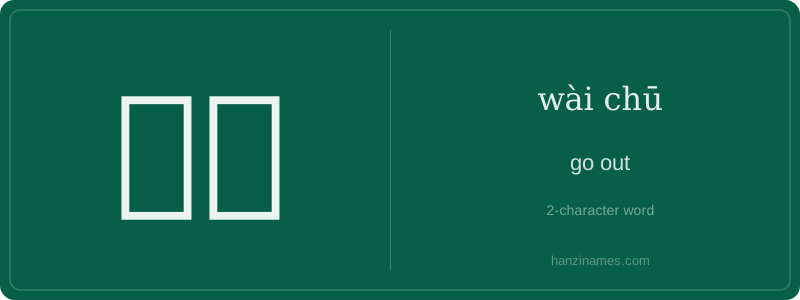
外出
外出 means 'to go out' or 'to leave the house.' It refers to leaving one's home or workplace for a specific purpose, such as running errands, visiting someone, or going on an outing.
The character 外 (wài) means 'outside' or 'external,' and 出 (chū) means 'to go out' or 'to exit.' Together, they form a compound that literally translates to 'go outside,' emphasizing the action of leaving a confined space.
外出 is commonly used in daily conversation to describe activities outside the home. It can also imply a temporary departure, often with a sense of purpose or necessity. In some contexts, it may carry a subtle connotation of escaping or taking a break from routine responsibilities.
Example Sentences
他今天早上出去买菜了。
He went out this morning to buy groceries.
我们周末计划外出郊游。
We plan to go out for a weekend picnic.