挥舞
How to Understand
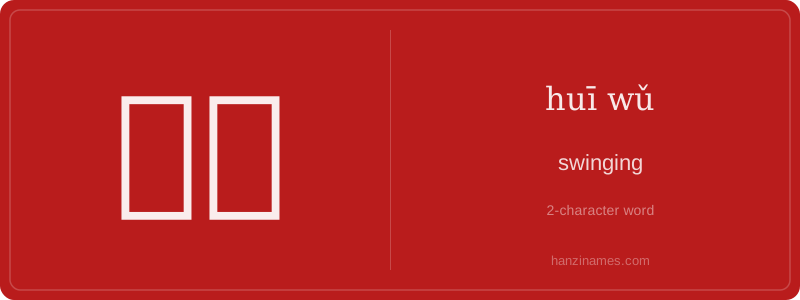
"挥舞" (huī wǔ) is a verb that means to swing or wave something vigorously. It emphasizes the motion of moving something in the air, often with force or energy, and can refer to both physical objects and metaphorical actions.
The character "挥" (huī) originally meant to strike or beat, and later came to mean to swing or move forcefully. "舞" (wǔ) means to dance or to move gracefully. Together, they convey a sense of dynamic, rhythmic movement.
"挥舞" is commonly used in contexts such as waving a flag, swinging a bat, or even metaphorically describing someone's passionate gestures. It is often associated with enthusiasm, celebration, or action-oriented scenarios. In cultural expressions, it appears in traditional dances and sports, reflecting the energy and movement central to Chinese performance and physical activities.