谷物
How to Understand
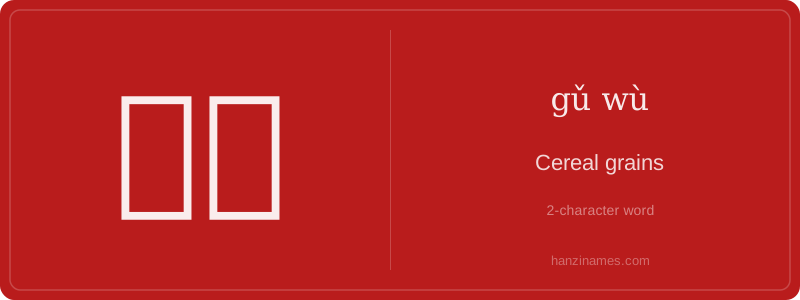
谷物 (gǔ wù) refers to cereal grains, such as rice, wheat, corn, and barley. It is a general term for staple food crops that are harvested for their edible seeds. Unlike specific terms like 'rice' or 'wheat,' 谷物 encompasses all such grains collectively.
The character 谷 (gǔ) originally meant 'valley' but later came to signify 'grain' or 'cereal.' 物 (wù) means 'thing' or 'object.' Together, they form a term that literally means 'grain things,' referring to the staple foods grown in fields or valleys.
谷物 is commonly used in contexts related to agriculture, nutrition, and food production. In Chinese culture, it represents the foundation of the diet and is often associated with prosperity and sustenance. The term may also appear in discussions about food security or traditional farming practices.