敌方
How to Say
👀 0
How to Write
Meaning: enemy side
How to Understand
敌方
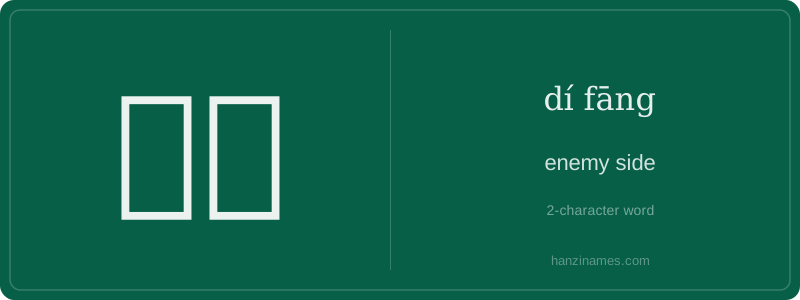
敌方 refers to the opposing side in a conflict, competition, or dispute. It specifically denotes the party that is considered an opponent or adversary, often in military, legal, or competitive contexts.
The character 敌 (dí) means 'enemy' or 'opponent,' while 方 (fāng) means 'side' or 'party.' Together, they form a compound noun that literally translates to 'enemy side' or 'opposing party.'
敌方 is commonly used in military strategy, sports, and legal discussions. It is important to note that it is a neutral term and does not carry emotional connotations by itself. In Chinese culture, understanding the concept of 敌方 is crucial in strategic thinking and communication.
Example Sentences
在战争中,我们必须了解敌方的动向。
In war, we must understand the enemy's movements.
比赛中,双方都努力击败敌方。
In the game, both sides tried to defeat the opposing team.