噞
Character Story & Explanation
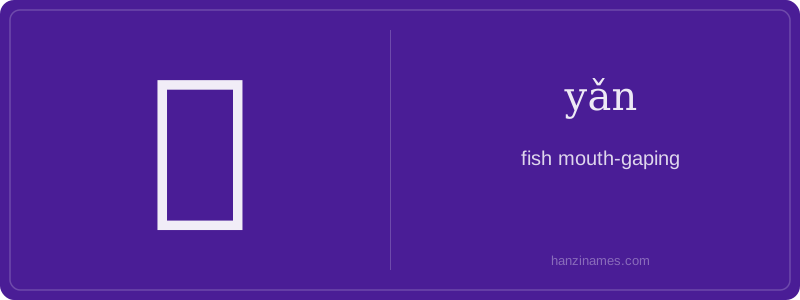
噞 is virtually absent from modern spoken Mandarin and does not appear in any HSK vocabulary list or common idioms. It is found almost exclusively in classical texts, Tang–Song dynasty poetry, and contemporary literary or ecological writing describing aquatic scenes — for example, in essays about freshwater ecosystems or conservation reports where precise biological observation matters. A verified usage appears in the 12th-century agricultural manual Nongshu (《农书》) by Chen Fu, referencing fish behavior in pond management.
The character is a phono-semantic compound: 口 (mouth radical, semantic) + 僉 (qiān, phonetic, also carrying connotations of ‘together’ or ‘multiple’ — possibly reflecting repeated, rhythmic mouth movement). It is not a pictograph, nor does it appear in oracle bone or bronze inscriptions; its earliest confirmed form is in seal script from the Han dynasty.
Hi students! Today we’re learning 噞 (yǎn), a beautiful and poetic character that captures a very specific natural image: the gentle opening and closing of a fish’s mouth at the water’s surface. It’s not about swimming or jumping — it’s that quiet, rhythmic motion you might notice on a still pond at dawn. Though rare in daily speech, it appears often in classical poetry and modern nature writing to evoke tranquility, life beneath the surface, and subtle vitality.
This character is a great example of how Chinese writing can paint with words — not just naming things, but illustrating delicate sensory moments. Its sound ‘yǎn’ is soft and breathy, almost mimicking the quiet gasp of air over water. As beginners, don’t worry about using it in conversation yet; instead, appreciate how Chinese expands meaning beyond verbs like ‘swim’ or ‘breathe’ into precise, image-rich vocabulary.
噞 belongs to the ‘mouth’ radical (口) — which makes perfect sense, since it describes mouth movement — and combines with the phonetic component ‘僉’ (qiān), which hints at pronunciation but also historically suggests collective action (think: many mouths moving together). While uncommon today, studying characters like 噞 helps you recognize patterns, deepen your appreciation for literary Chinese, and build sensitivity to tone, rhythm, and imagery in the language.
Example Sentences
Common Compounds
Similar Characters — Don't Mix These Up
Your First Step into Chinese Culture: Get a Chinese Name
Every journey into Chinese begins with a name. Use our free Chinese name generator to create a meaningful, personalized Chinese name that fits you perfectly.
Get My Chinese Name →