悲伤
How to Understand
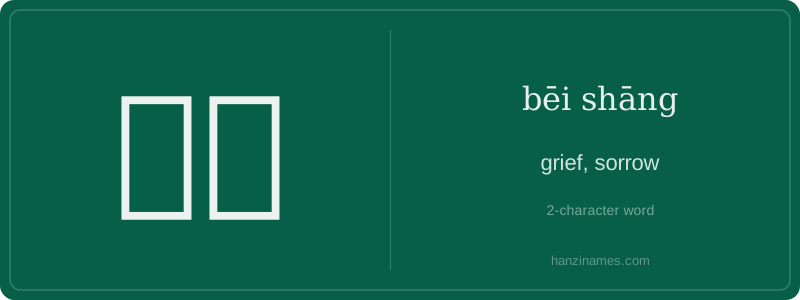
悲伤 means a deep feeling of sadness or grief, often associated with loss, disappointment, or emotional pain. It is more intense than simple sadness and carries a sense of enduring sorrow.
The character 悲 (bēi) originally meant 'sadness' or 'grief,' while 伤 (shāng) means 'to wound' or 'hurt.' Together, they convey the idea of being emotionally wounded or deeply sorrowful. This combination reflects the cultural emphasis on emotional depth in Chinese expressions of feeling.
悲伤 is commonly used in literature, poetry, and personal expressions of deep emotion. It is often associated with events like the death of a loved one, heartbreak, or major life setbacks. In daily conversation, it may be used to describe someone's emotional state after a difficult experience.