悲哀
How to Understand
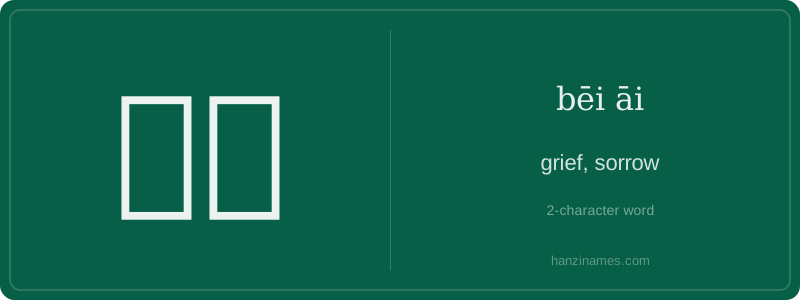
悲哀 (bēi āi) translates to 'grief' or 'sorrow,' often carrying a deeper emotional weight than simple sadness. It emphasizes a profound sense of loss and helplessness, typically associated with tragic events or unfulfilled desires.
The character 悲 (bēi) means 'sadness' or 'grief,' while 哀 (āi) means 'to mourn' or 'to lament.' Together, they form a compound that conveys deep sorrow, often rooted in empathy or personal tragedy. This phrase has ancient roots in classical Chinese literature, where it was used to express the human condition in the face of suffering.
悲哀 is commonly used in literary and poetic contexts, but also appears in everyday language when describing emotional responses to misfortune. It is more formal and intense than the word 悲伤 (bēishāng), which is more about general sadness. Understanding 悲哀 can help learners grasp the nuances of emotional expression in Chinese culture.