高血压
How to Understand
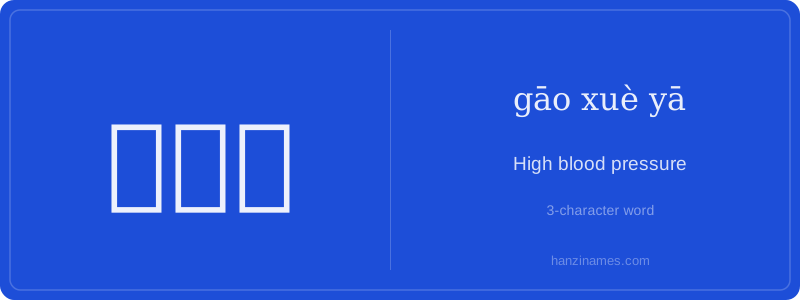
高血压 refers to a medical condition characterized by persistently elevated blood pressure. It is distinct from temporary increases in blood pressure due to stress or activity and is typically diagnosed when readings consistently exceed 130/80 mmHg.
The word breaks down into 高 (gāo, meaning 'high'), 血 (xuè, meaning 'blood'), and 压 (yā, meaning 'pressure'). Together, they literally translate to 'high blood pressure,' clearly describing the condition.
High blood pressure is a common health concern worldwide, often called the 'silent killer' because it can cause damage without obvious symptoms. In China, it is a significant public health issue, with lifestyle factors like diet and stress playing a major role. People are advised to monitor their blood pressure regularly and maintain a healthy lifestyle to prevent complications.