唵嘛呢叭咪吽
How to Understand
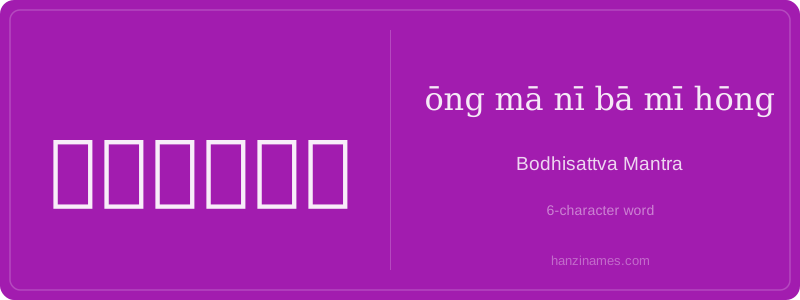
Ōng mā nī bā mī hōng is the Six-Syllable Mantra of Avalokiteśvara, a sacred Buddhist prayer believed to bring compassion, protection, and spiritual enlightenment. It is often chanted by devotees for purification and guidance.
The mantra consists of six syllables: 唵 (ōng), 嘛 (má), 呢 (nī), 叭 (bā), 咪 (mī), 吽 (hōng). Each syllable holds symbolic meaning in Tibetan Buddhism, representing different aspects of the path to enlightenment and the qualities of Avalokiteśvara, the Bodhisattva of Compassion.
This mantra is widely used in meditation, rituals, and daily life by Buddhists in Tibet, Nepal, and other regions. It is commonly found on prayer wheels, written on stones, or chanted aloud. Practitioners believe that reciting it can purify negative karma and bring peace and wisdom.